The Vanderbilt Cup — Where Modern Duplicate Bridge Was Born
By Bridgetastic
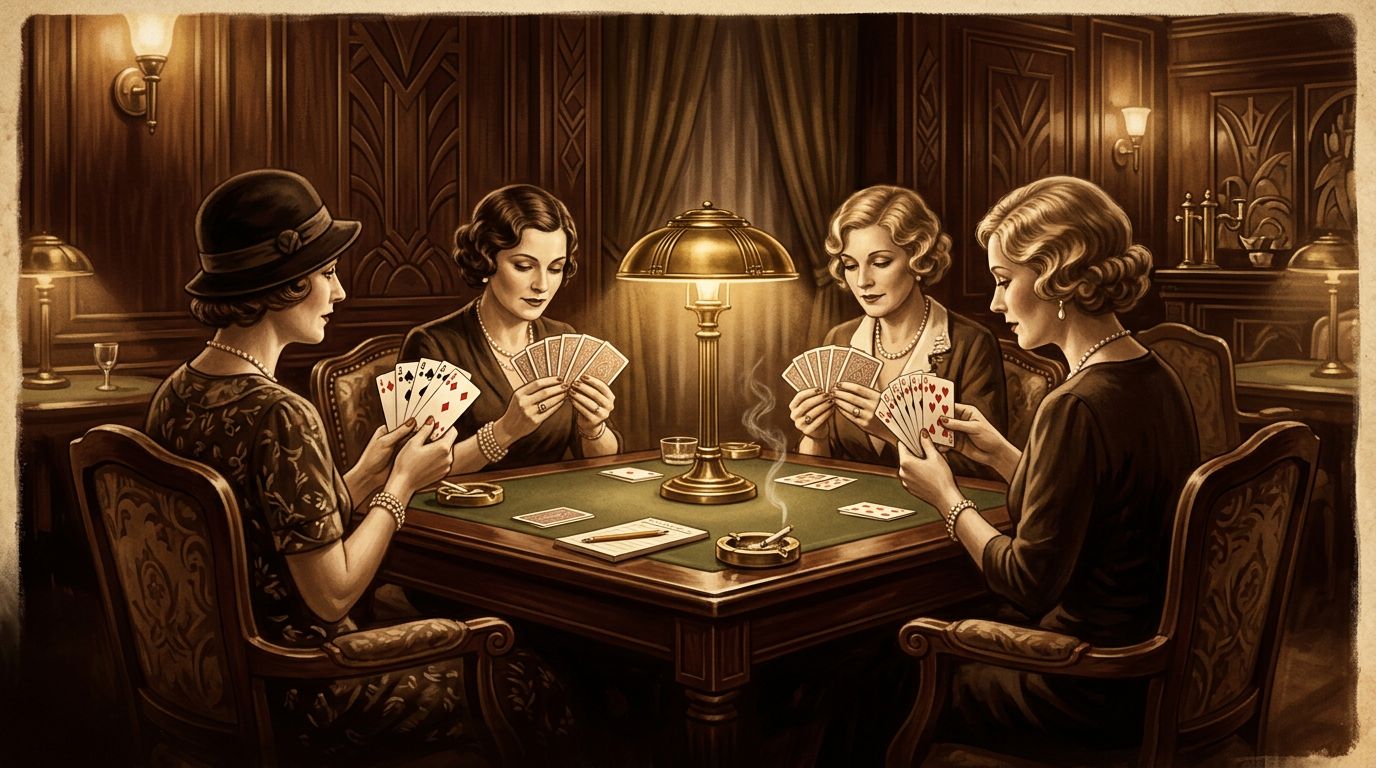
The Vanderbilt Cup — Where Modern Duplicate Bridge Was Born
Harold S. Vanderbilt invented duplicate contract bridge in 1925. His family has been part of the game ever since. The Vanderbilt Cup, named in his honor, is one of the oldest and most prestigious team events in American bridge, and its history traces the evolution of the entire modern game.
The Origin
The Vanderbilt Knockout Teams, commonly called “the Vanderbilt,” is held at the ACBL Spring National Championships. It’s an open knockout event, any team can enter, which makes it one of the most democratically contested major titles. Professionals, top amateurs, and mixed teams all compete on the same boards.
The event began in 1928, making it nearly a century old. It predates most professional sports championships and has seen more bridge history than almost any other event.
The Format
Teams of four (or more, with substitutes) play head-to-head knockouts. Swiss qualifying typically narrows the field. Once in the knockout bracket, you win or go home.
The scoring is IMPs (International Match Points), which rewards good decisions more than swing boards. A well-played slam attempt scores more than a lucky finesse. This makes the Vanderbilt a true test of sustained partnership quality over multiple days.
The Names on the Trophy
The winners list reads like a who’s who of American bridge: Bob Hamman, Paul Soloway, Nick Nickell, Jeff Meckstroth, Eric Rodwell, Bobby Wolff. The great international players, Zia Mahmood, Geir Helgemo, also appear, drawn to the prestige of the event.
For American professionals, the Vanderbilt is the domestic crown. Winning it repeatedly places you in elite company.
Why It Matters to Club Players
The Vanderbilt operates on the same principles as your Thursday duplicate game, scaled up. IMP scoring, head-to-head competition, team strategy, these are skills you build at the club level and apply the same way at nationals.
Many ACBL members play in regional knockouts throughout the year precisely to develop the skills that would let them eventually compete in events like the Vanderbilt. The gap between a solid club player and a national-level competitor is real, but the game is the same.
The Legacy of Harold Vanderbilt
He didn’t just invent the scoring system, he gave the game a governing structure, promoted standardization, and bankrolled the early years of organized competition. The cup bearing his name is a fitting tribute to someone who gave bridge the shape it still has today.
📚 Further Reading: This article is part of our Bridge Lessons Online, explore more guides and resources to improve your game.
Put It Into Practice with Brian
Brian is Bridgetastic's AI bidding coach. Get instant feedback on real hands and build your game — free to try.
Try Brian Free